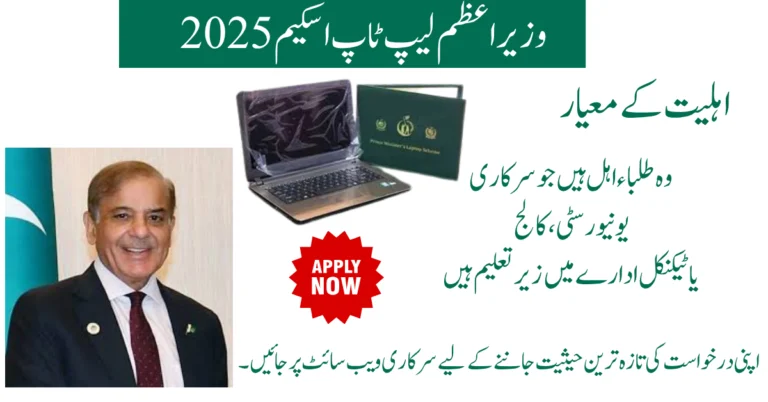
In today’s world, a laptop is more than just a gadget it’s a learning tool. From research papers and online lectures to freelancing and coding, a laptop gives students independence and opportunity.The PM Laptop Scheme Phase 5 2025 aims to provide free laptops to deserving students in public universities to promote digital learning and equal opportunities. It’s a step toward empowering youth through technology and education.
Many students, especially in rural areas, cannot afford laptops. That’s where the PM Laptop Scheme steps in helping deserving students access technology without financial burden.
Also read: Empowering Students with Wheels: Students Electric Bike Scheme 2025
Purpose of the Scheme
The main objectives behind the PM Laptop Scheme Phase 5 are:
- To support bright and deserving students in public-sector universities.
- To promote digital learning and reduce the digital divide between rural and urban students.
- To encourage innovation, research, and freelancing among youth.
- To prepare students for a tech-driven job market in Pakistan and abroad.
Key Highlights of Phase 5
While official details will be announced closer to launch, here’s what Phase 5 is expected to include based on the program’s structure:
| Feature | Expected Detail |
|---|---|
| Phase | PM Laptop Scheme Phase 5 |
| Year | 2025 |
| Eligibility | University and college students (public sector) |
| Registration Mode | Online via official portal |
| Selection Basis | Academic merit |
| Distribution | Through universities and regional centers |
| Target | Undergraduate and postgraduate students |
Eligibility Criteria
To apply for PM Laptop Scheme Phase 5, students typically need to meet the following conditions:
- Must be currently enrolled in a public sector university or college recognized by the Higher Education Commission (HEC).
- Should have strong academic performance (e.g., above 60% marks or a 2.5+ CGPA).
- Must hold a valid CNIC or B-Form.
- Should not have received a laptop in any previous phase of the scheme.
- Students from private universities are generally not eligible.
- Applicants must have a verified student record through their university.
Also read: Honhaar Scholarship 2025:Last Date to Apply is 26 October 2025
How to Apply Online
The application process for Phase 5 is expected to remain digital and transparent. Here’s a step-by-step outline of how students can apply once registrations open:
Step 1: Visit the Official Portal
Students will need to visit the Prime Minister Youth Program (PMYP) website or the HEC Student Portal.
Step 2: Create an Account
If you’re a first-time applicant, create a new account using your CNIC, university name, and personal details.
Step 3: Complete Your Profile
Fill in all required information carefully — academic record, program name, semester, contact number, and address.
Step 4: Upload Documents
Upload scanned copies of your CNIC, transcript, and university-issued student card.
Step 5: Submit Application
After double-checking your details, submit the form. Always take a screenshot or note your tracking number.
Step 6: Wait for Verification and Merit List
Your university and the relevant authorities will verify applications. Merit lists will be published online.
Expected Laptop Specifications
While specs can vary depending on the government’s supplier agreements, the new laptops are expected to feature modern hardware that supports educational and creative use.
Here’s a likely configuration:
| Specification | Expected Detail |
|---|---|
| Processor | Intel Core i3 or i5 (latest generation) |
| RAM | 8 GB DDR4 |
| Storage | 256 GB SSD |
| Display | 14-inch Full HD |
| Battery Life | 8–10 hours average |
| Operating System | Windows 11 with licensed Office tools |
| Connectivity | Wi-Fi, Bluetooth, USB-C charging |
These specifications should be sufficient for most educational purposes, including research, design, and light programming.
Tips to Increase Your Chances of Selection
- Maintain a strong academic record — merit is the top selection factor.
- Apply early once registration opens to avoid system delays.
- Keep your documents updated — CNIC, transcript, and student card should be valid.
- Avoid duplicate accounts — they can cause rejection.
- Follow your university’s focal person for official instructions.
- Check your email and SMS regularly for verification updates.
Why Students Should Apply
Even if you already have access to a laptop, applying for this scheme has long-term value. Students can use the new laptop for:
- Academic research and online learning
- Thesis writing and software use
- Freelancing or online earning
- Group projects and presentations
- Digital skill-building (graphic design, programming, content writing)
It’s not just about owning a device — it’s about unlocking opportunity.
FAQs
Q1: Who can apply for PM Laptop Scheme Phase 5?
Only students enrolled in public sector universities or colleges recognized by HEC can apply.
Q2: When will registration open?
Registrations are expected to open in mid-2025, but students should monitor official portals for confirmation.
Q3: Can students from private universities apply?
No, this scheme is primarily for students in public educational institutions.
Q4: Will every applicant get a laptop?
No. Selection will be based on merit, available quota, and regional distribution.
Q5: Is there any fee to apply?
No, the application process is completely free.
Conclusion
The PM Laptop Scheme Phase 5 2025 continues Pakistan’s effort to empower students through technology. If executed well, it can help thousands of students gain access to digital education, remote learning, and online income opportunities.
For students, the best approach is to stay informed, prepare early, and apply carefully when the registration opens.
This initiative isn’t just about laptops it’s about building a smarter, more capable generation ready for the digital future.