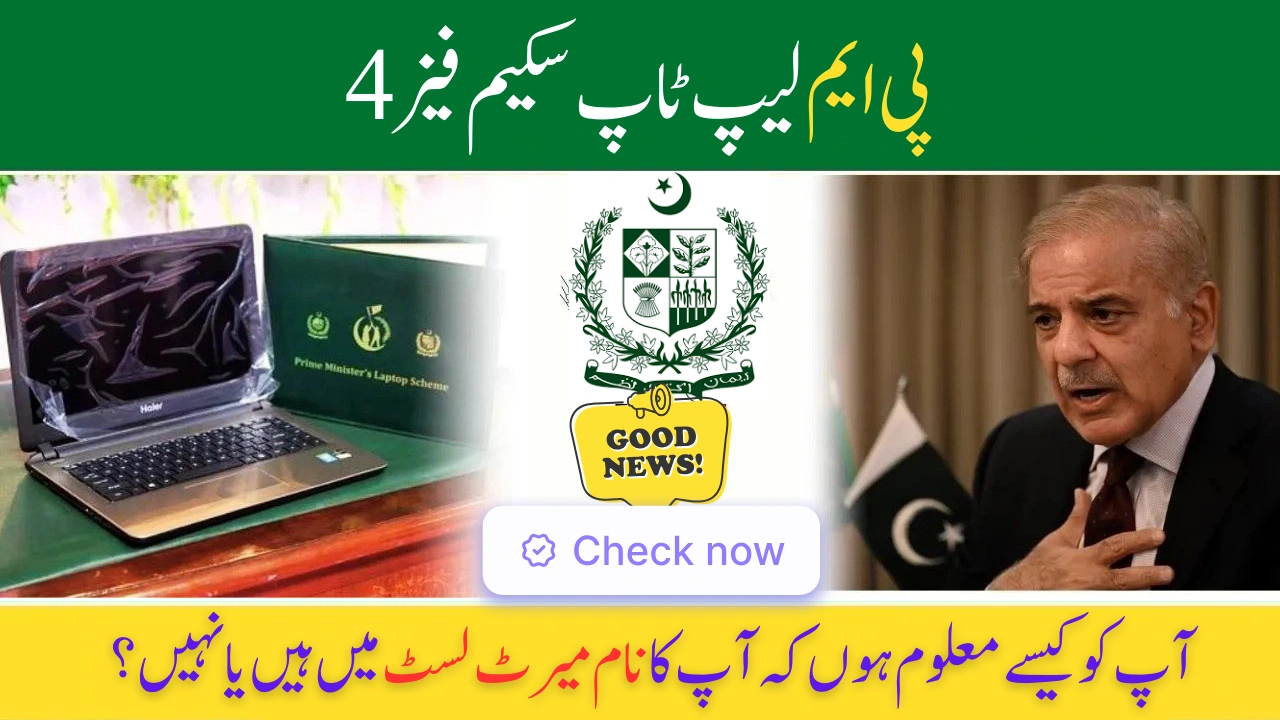
Good news it’s out now!The PM Laptop Scheme Phase 4 merit list for 2025 has officially dropped, lighting up campuses across Pakistan with excitement and hope. Thousands of bright, hardworking students now have the chance to own a brand-new laptop an essential tool in today’s digital learning era. Whether you’re a tech-savvy coder, a budding researcher, or a passionate learner, this initiative is a powerful step toward bridging the digital divide and empowering youth through education. Let’s dive into what’s new, how to check your name, and what this means for your academic journey.
Also read: Prime Minister Fan Replacement Program 2025: Cool Savings for Pakistani Households
Quick Summary Table
| Detail | Information |
|---|---|
| Scheme Name | Prime Minister Youth Laptop Scheme Phase 4 |
| Year | 2025 |
| Merit List Status | Final List Released (October 2025) |
| Eligible Institutions | HEC-recognized Public Sector Universities |
| Total Laptops Distributed | Over 100,000 |
| Selection Criteria | Academic Merit, Enrollment Status, Degree Level |
| Official Website | HEC Portal |
💡 What Is the PM Laptop Scheme?
The Prime Minister Youth Laptop Scheme is a flagship initiative aimed at empowering students through digital access. Launched under the PM Youth Programme, it provides free laptops to high-achieving students enrolled in public sector universities.
This year’s Phase 4 merit list is part of the 2024–2025 cycle, and it’s bigger and better than ever.
Also read: CM Punjab Free Tablet Scheme 2025 Apply Online & Get Your Free Tablet
📅 2025 Updates: What’s New This Year?
2025 brought several key changes and milestones to the scheme:
🔄 Revised Selection Process
- Provisional Lists were released in July 2025, allowing students to verify their data and submit corrections.
- Final Merit Lists were published in October 2025 after thorough validation by HEC.
🏫 Expanded University Coverage
- More universities were added to the eligibility list, including newly accredited institutions.
- Students from remote areas like Gilgit-Baltistan and Balochistan saw increased representation.
📈 Increased Laptop Quota
- The government allocated over 100,000 laptops for Phase 4, up from 70,000 in Phase 3.
- Priority was given to STEM and IT students, reflecting Pakistan’s push toward tech innovation.
🔍 How to Check the PM Laptop Scheme Phase 4 Merit List
Checking your status is simple:
- Visit the HEC Laptop Portal.
- Select your university from the dropdown.
- Enter your CNIC or registration number.
- View your merit status and download the confirmation slip.
If your name is on the list congratulations! You’ll receive further instructions via email or your university’s student portal.
🎉 Real-Life Success Stories
Meet Areeba Khan, a computer science student from UET Lahore. She made it to the final merit list and received her laptop in October.
“This laptop changed everything. I can now code, attend online workshops, and even freelance. It’s a game-changer for my career.”
Stories like Areeba’s highlight the emotional and practical impact of this initiative.
📌 Important Reminders for Selected Students
- Keep your student ID and CNIC ready during laptop distribution.
- Attend the orientation session organized by your university.
- Use the laptop responsibly—it’s meant for academic and professional growth.
❓FAQs About PM Laptop Scheme Phase 4 Merit List
Q1: What if my name isn’t on the final merit list?
Don’t worry. If you submitted corrections during the provisional phase and still didn’t make it, you can appeal through your university’s focal person.
Q2: Are private university students eligible?
No. Only students from HEC-recognized public sector universities are eligible for Phase 4.
Q3: Can I sell the laptop?
Absolutely not. The laptop is government property provided for educational use. Misuse may lead to penalties.
Q4: What specs do the laptops have?
Typically, laptops include Intel Core i5 processors, 8GB RAM, and Windows 11, suitable for academic and professional tasks.
🏁 Final Thoughts
The PM Laptop Scheme Phase 4 merit list isn’t just a list it’s a symbol of hope, progress, and opportunity. Whether you made it or not, this initiative reflects Pakistan’s commitment to digital empowerment and educational equity.
If you’re on the list, celebrate your success. If not, keep striving your time will come.